
Knee Pain Treatment in Croydon
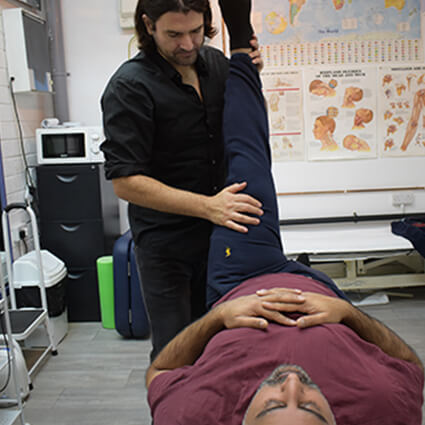 Whether knee pain shows up mid-run, after a match, at the gym, or while climbing the stairs, knowing where you hurt doesn’t always explain everything that’s going on. An assessment can look at the knee itself as well as the muscles, joints, and movement patterns that may be relevant to your symptoms.
Getting a Clearer Picture of Your Knee
At Croydon Sports Injury Clinic Ltd, Dr. Roddy Knight (Chiropractor) may put the knee through specific movements and stresses to help identify the structures involved. Muscle strength, tension, and loading can also be assessed to identify imbalances that may be relevant to the way your knee moves and functions.
For active patients, the demands of their particular sport or training routine are also considered rather than looking at the painful area in isolation.
Sometimes the Knee Isn’t the Only Area Involved
The knee forms part of a wider kinetic chain. Depending on the findings, assessment may consider hip and lower back function along with foot and ankle mechanics, gait, and pronation.
If foot biomechanics appear relevant, our chiropractor can explain the findings and, where appropriate, recommend assessment by a podiatrist.
Staying Active While Managing a Knee Problem
For runners and athletes, being told to stop everything isn’t always a practical answer. Assessment is carried out individually, taking into account what you’re training for and the physical demands you’re placing on your body.
Where continued training is being considered, the practitioner can discuss load management and the potential risks associated with continuing a particular activity.
Shockwave therapy may also be considered for certain persistent tendon complaints that haven’t responded sufficiently to progressive loading and rehabilitation. Suitability depends on factors including the condition, age, health, and sensitivity of the individual.
When Degeneration or Surgery Has Been Discussed
If you’ve been told you have degenerative changes, existing imaging may be reviewed as part of building a clearer clinical picture. Further imaging or referral may be considered when indicated.
For someone who has been told surgery or knee replacement may be an option, assessment can also consider muscle balance, gait, footwear, daily activity, and lower-limb biomechanics.
Frequently Asked Questions
My knee pain has been called age-related degeneration. Can it still be assessed?
Do you look at my hips, feet, and ankles too?
Can I keep training while having treatment?
Take a Closer Look at Your Knee Pain
If knee discomfort is getting in the way of sport, exercise, work, or everyday movement, an assessment can help you better understand the factors that may be involved. Contact Croydon Sports Injury Clinic Ltd to arrange your visit.
